Historical background
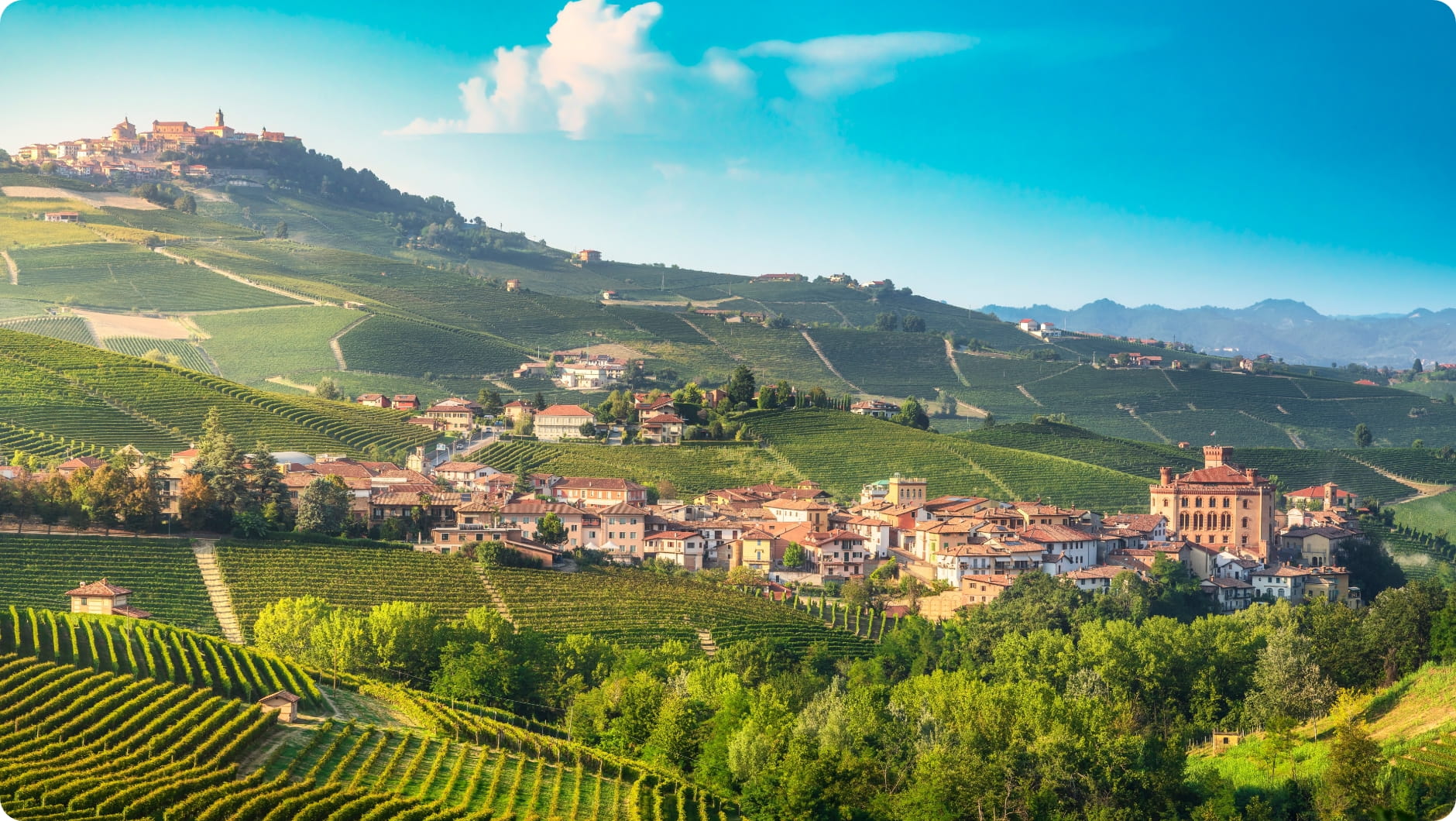
Barolo is the great Italian wine par excellence, produced from 100% Nebbiolo grapes. It is born in the heart of the Langhe, a few kilometres south of the city of Alba, in the territory of 11 municipalities that follow one another on a picturesque itinerary of hills, sculpted by the expert hand of man and watched over by imposing medieval castles, including the castle of Barolo itself, which gave its name to the wine now celebrated throughout the world.
Barolo came about thanks to the tenacity of Camillo Benso, Count of Cavour, and Giulia Colbert Falletti, last marchioness of Barolo; in the mid-nineteenth century, an exceptionally rich and harmonious wine began to be produced, destined to become the ambassador of Piedmont of the Savoys at the courts of all Europe.
Together with Barbaresco, it has gone through all the enhancement milestones of the twentieth century, starting from the “Pro-Barolo” association through to the founding of the Consortium, then obtaining DOC and DOCG status, up to the launch of the Controls Plan for Certification required by the European Union in 2005.
From the close link between the wine’s intrinsic characteristics and the aristocratic tastes of the 19th century, the saying was born: “the king of wines, the wine of kings”. It must age for at least three years beyond the two months following the harvest, of which one and a half in oak wood, and only after five years may it bear the mention “Riserva”.
Production Area
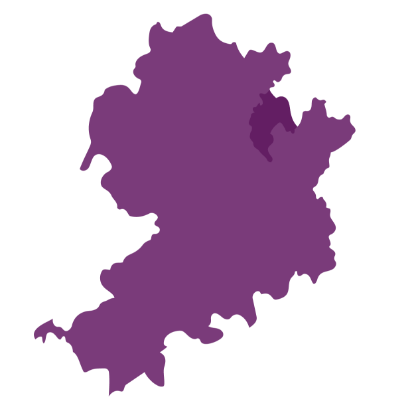
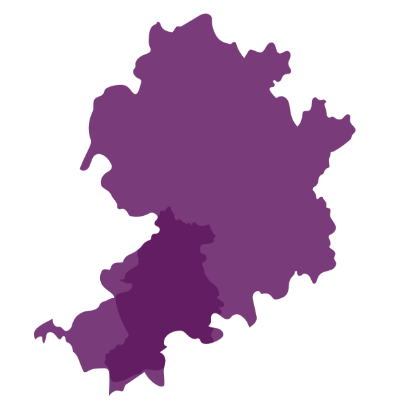
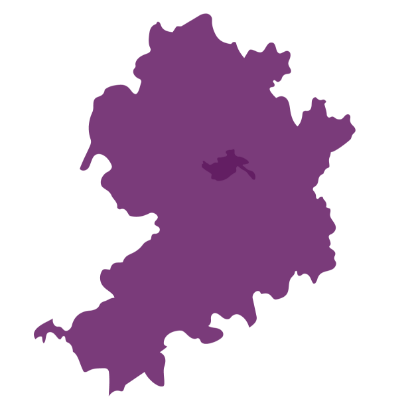
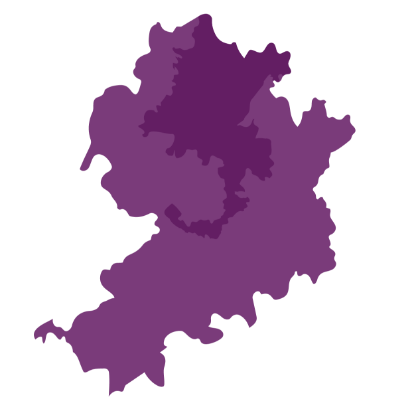
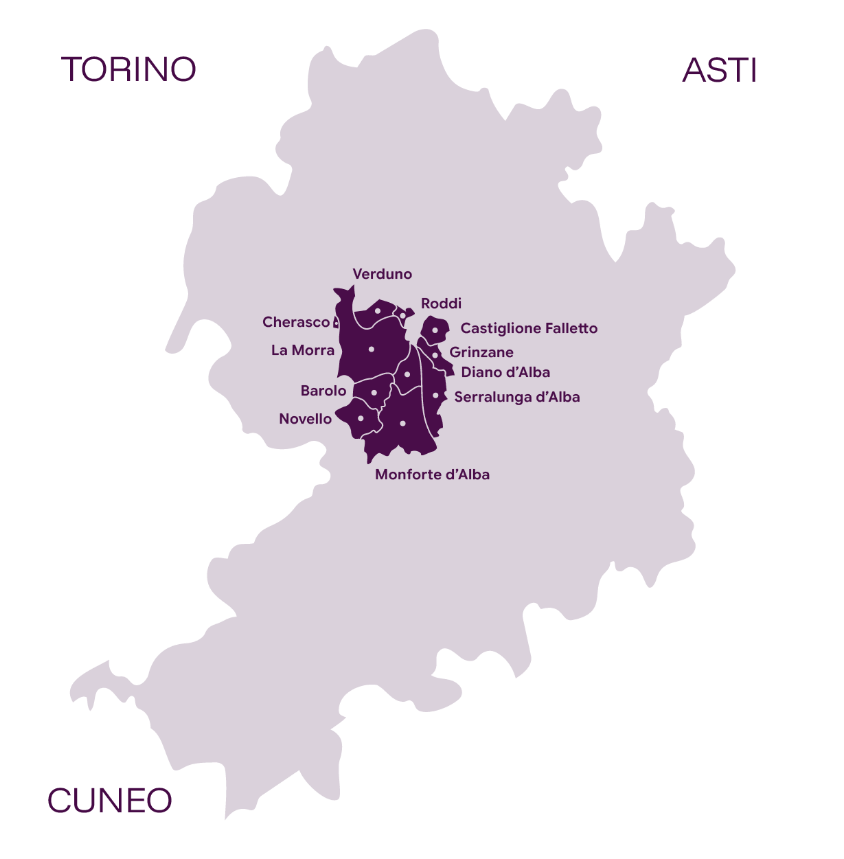
It is produced in the municipalities of Barolo, Serralunga d’Alba, Castiglione Falletto. La Morra, Monforte, Verduno, Novello, Grinzane Cavour, Diano d’Alba, Cherasco and Roddi are only partially included within their territories.
Characteristic
It has a full, intense garnet colour. Its aroma is both fruity and spicy, evoking small red fruits, cherries in spirit and jam, but also hints of rose and withered violet, cinnamon and pepper, nutmeg, vanilla and sometimes liquorice, cocoa, tobacco and leather. On the palate it is harmonious with elegant and complex tannins. An elegant and powerful wine at the same time.
Geographical
Mentions
The latest important step for Barolo was the delimitation and official recognition in the Disciplinary of the Additional Geographical Mentions (MGA), which took place in 2010.