Historical background
Langhe is a territorial type of denomination and derives its justification from the wise traditional practice whereby the viticulturists of Langa and Roero select vineyard production according to grape quality. From time immemorial, a vineyard of Nebbiolo suited to produce Barolo, Barbaresco, Roero and Nebbiolo d’Alba, for example, is harvested by separating the grapes destined to produce these wines from those used to vinify Langhe Nebbiolo.
Thanks to its high quality, Langhe, from a fallback denomination, has managed over the years to carve out very important spaces in the world market. The Langhe DOC was created in 1994 with the intention of uniting the territory.
Production Area
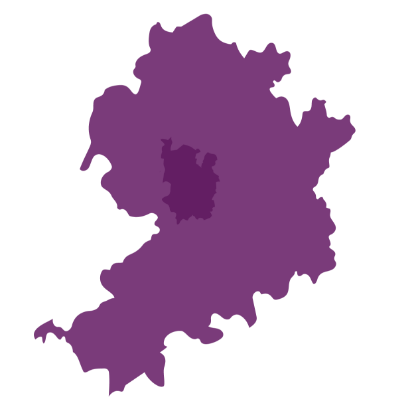
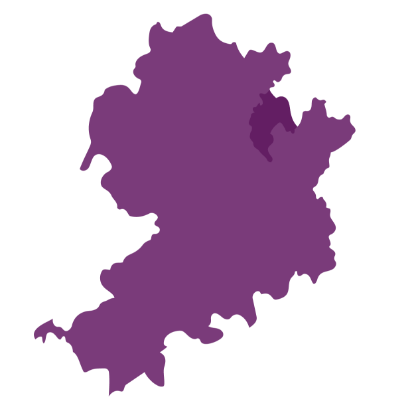
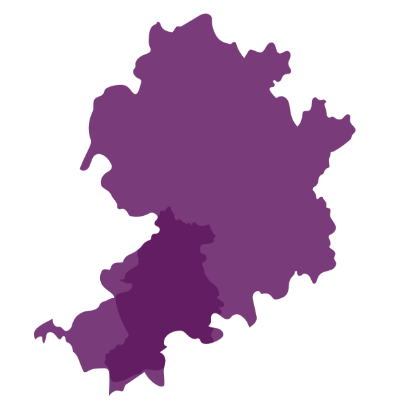
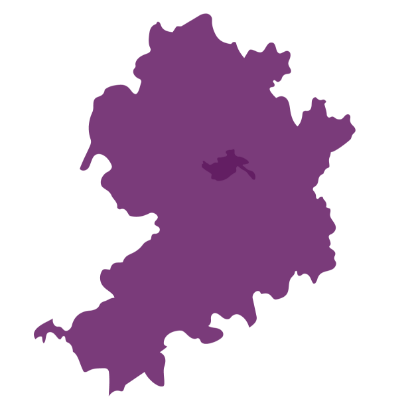
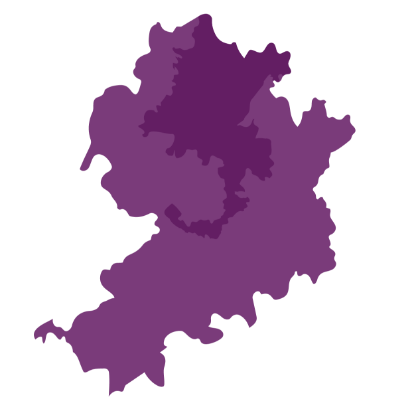
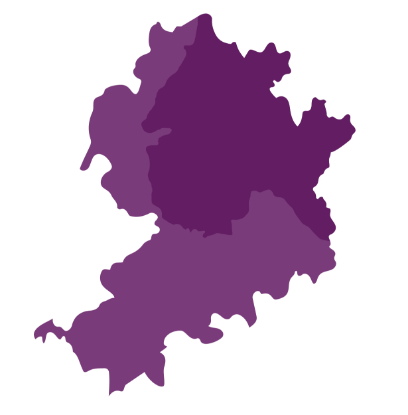
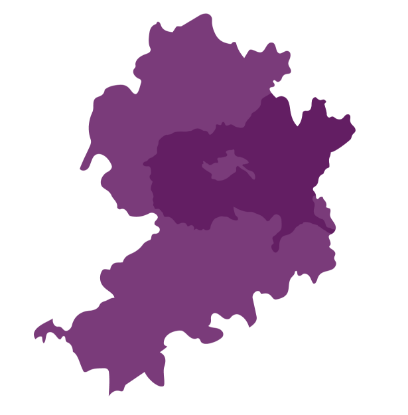
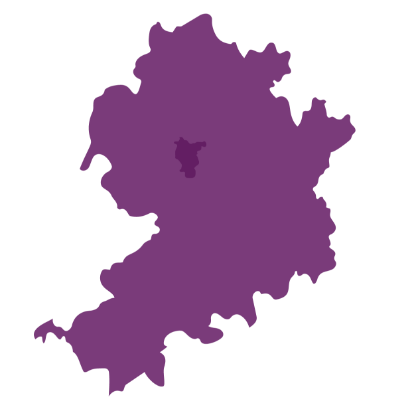
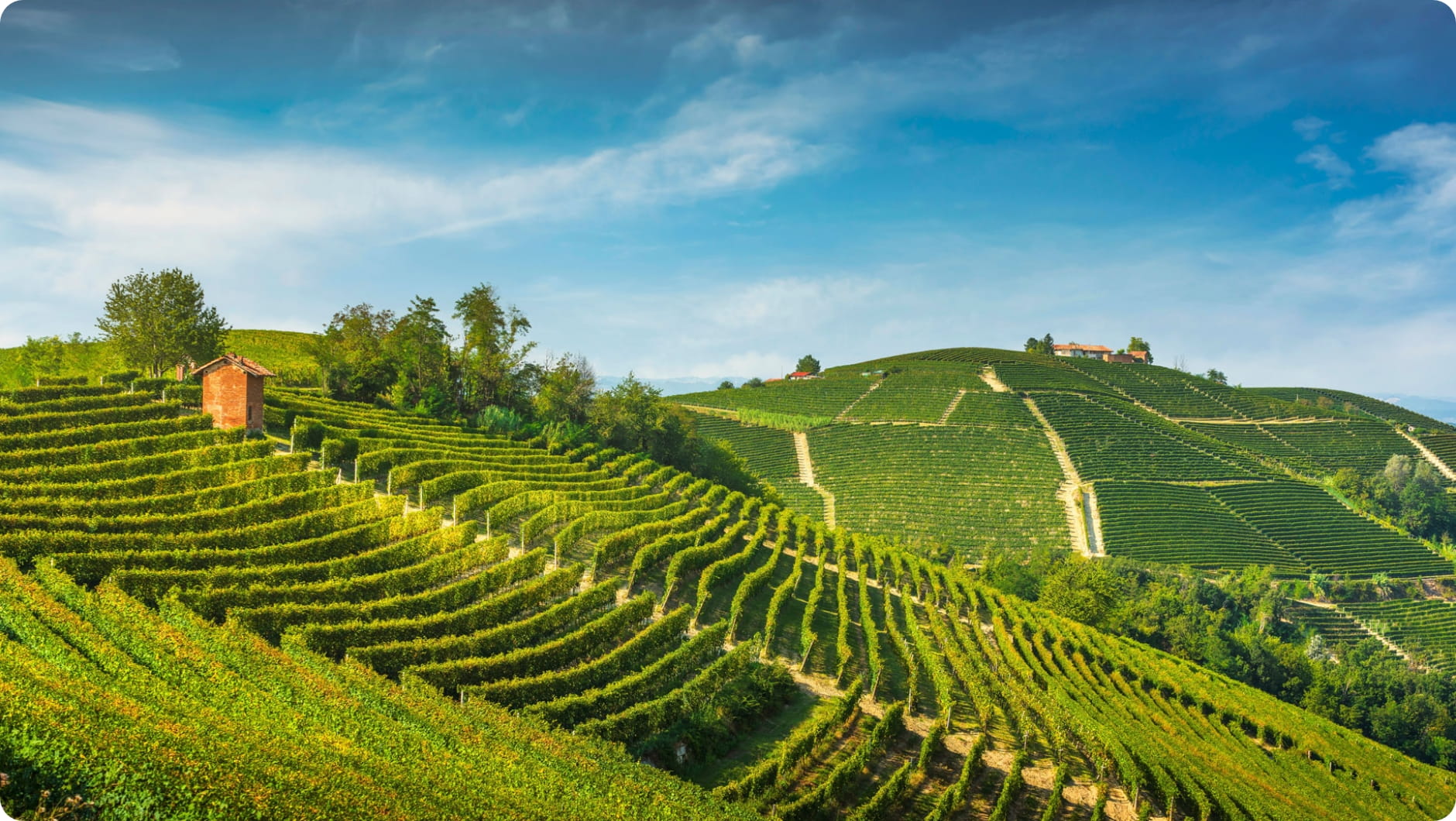
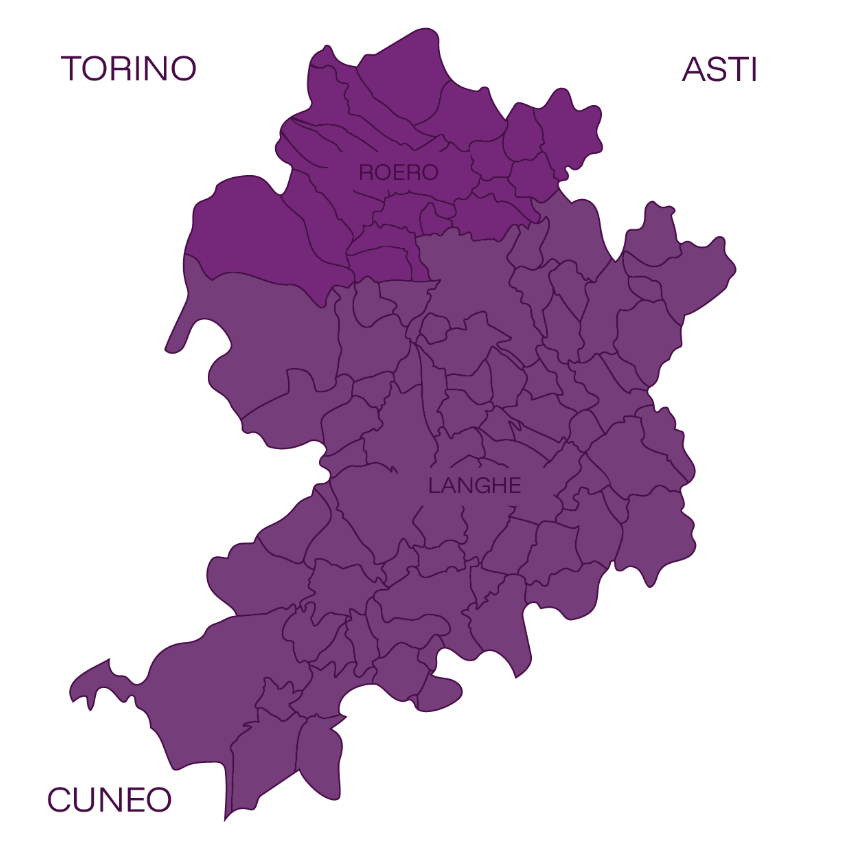
The geographical area suited to the production of Langhe DOC extends over the eponymous Langhe hills of the province of Cuneo and in numerous municipalities of the Roero, for a total of 96 municipalities. Langhe is a territory that possesses within itself a variety of soils uncommon in any other Italian viticultural area and perhaps in the world. The high number of cultivated grape varieties finds justification in the complex pedoclimatic landscape of the Langhe, where we have marly, calcareous, sandy and clay soils, sometimes mixed together in a unique way.
Characteristic
Langhe has given wines produced with indigenous varieties such as Favorita and Freisa and with international varieties such as Chardonnay and Cabernet (if the Langhe Disciplinary amendment has been passed) the opportunity to bear a designation of origin.
Within the Langhe DOC, two wines that bear no variety mention deserve particular mention, namely Langhe Bianco and Langhe Rosso, which may be produced through single-variety or blended vinification of all the varieties cultivated in the production zone. This possibility has stimulated producers’ imagination, and with so-called “proprietary wines” they have been able to create new commercial opportunities.
The Langhe Denomination fully encapsulates the viticulture vocation of the territory it represents, which is extremely varied and dynamic, and this is why within it we find different varieties and many types of wines.